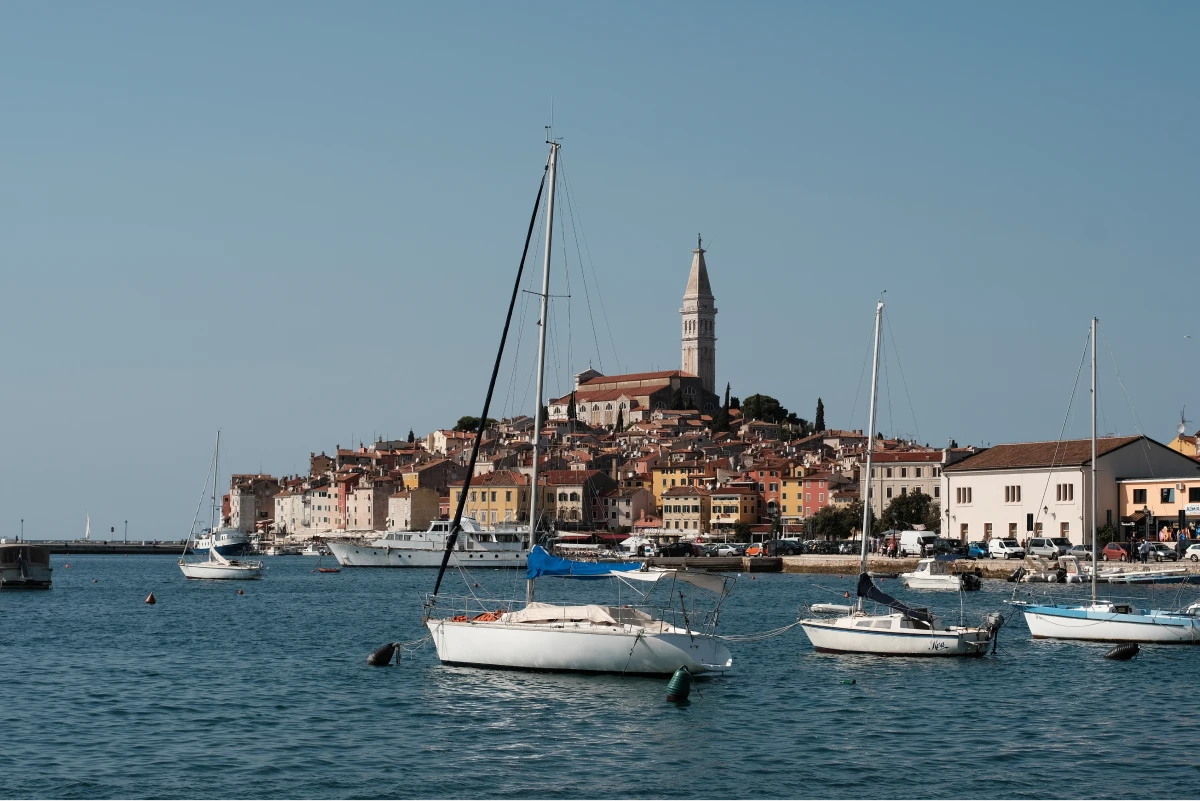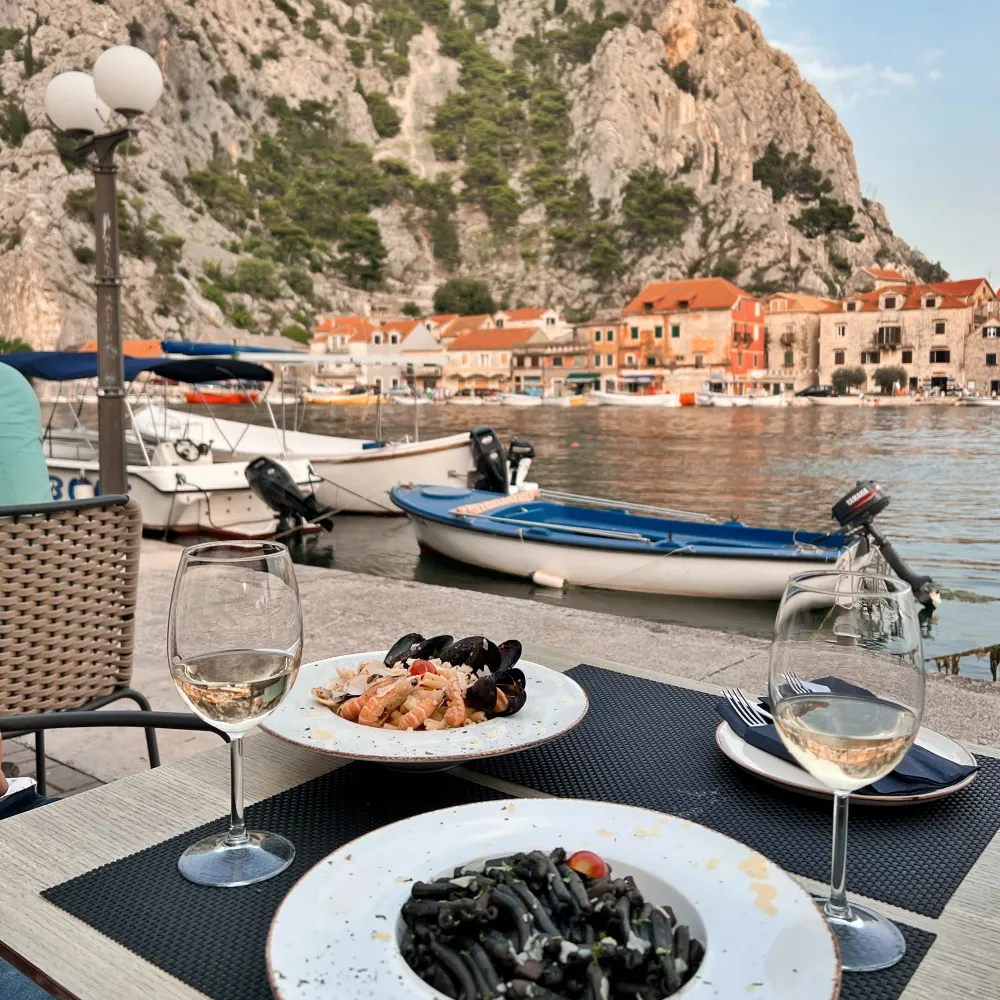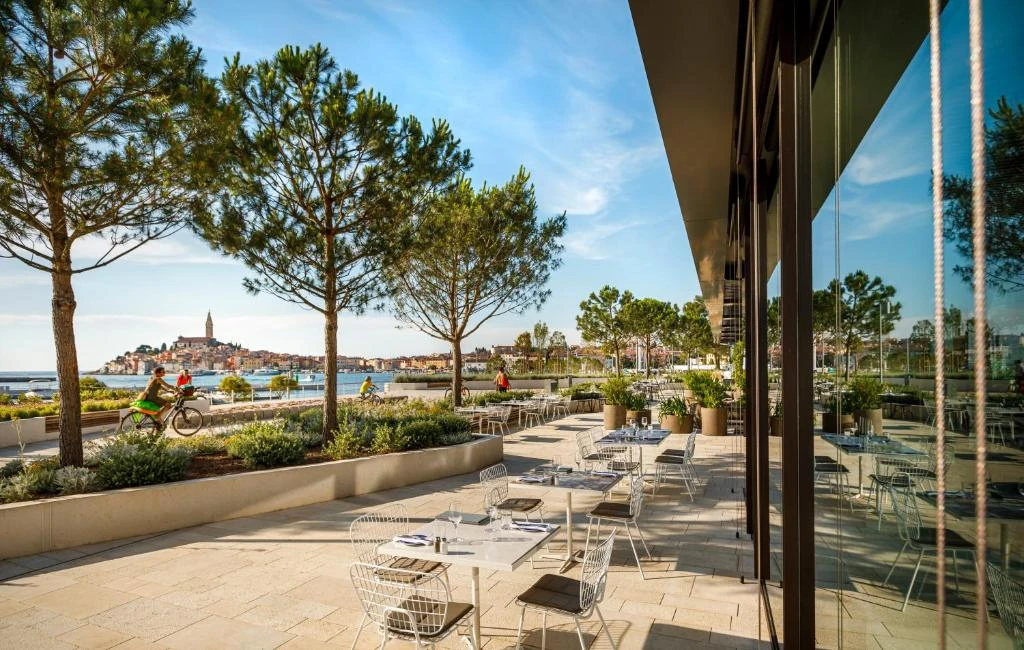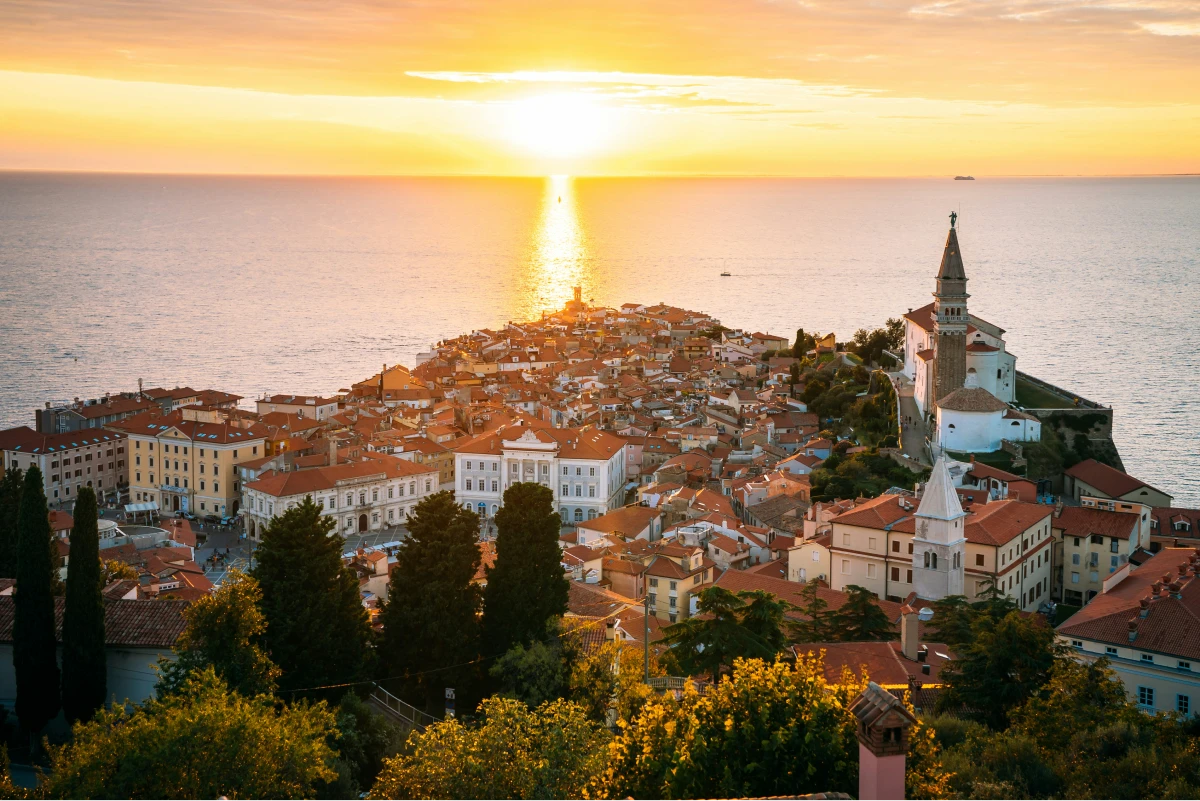



From 1267 to 1797, most of Istria coast and many of its inland towns were governed by the Venetian Republic. This five-century relationship left an indelible architectural and cultural mark that remains visible in every old town on the peninsula.
The Architecture of Venetian Power
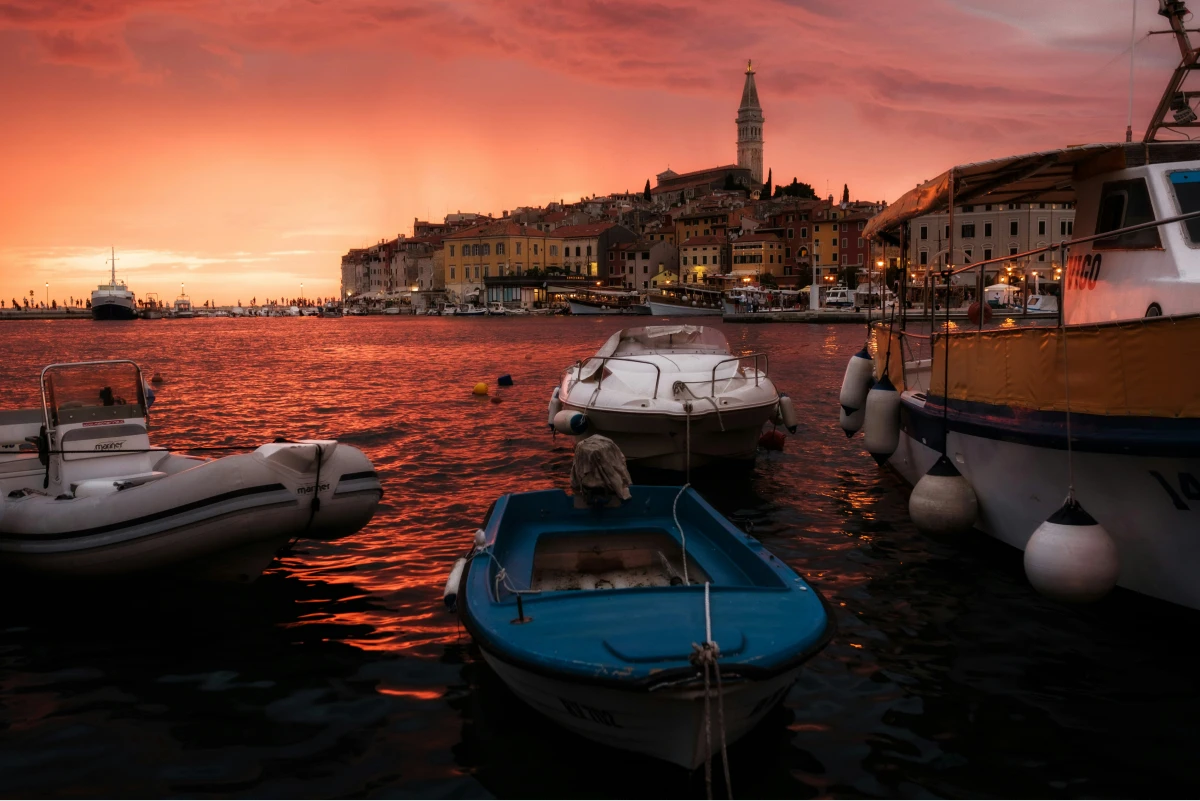
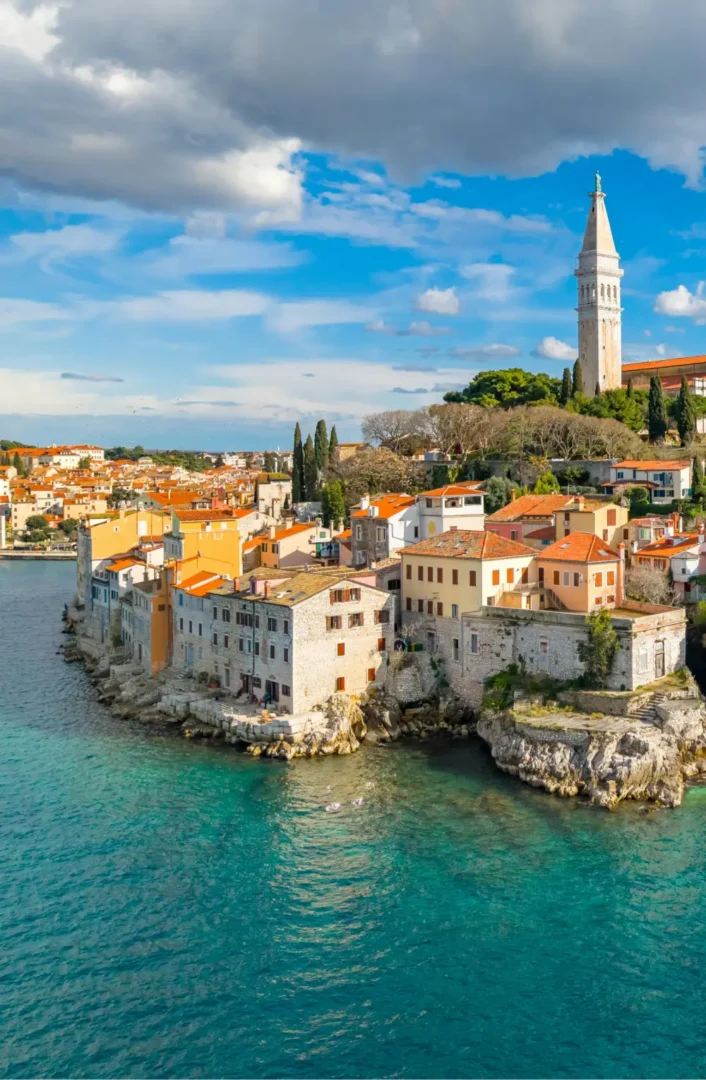
Venetian rule brought a distinctive architectural vocabulary to Istrian towns: elegant loggias, tall campanile bell towers, Gothic palace windows, and everywhere the winged lion of St. Mark carved in stone above city gates.
- Rovinj Balbi Arch: the former main city gate with Venetian heraldry
- Porec Marafor square: the ancient Roman forum later dominated by Venetian buildings
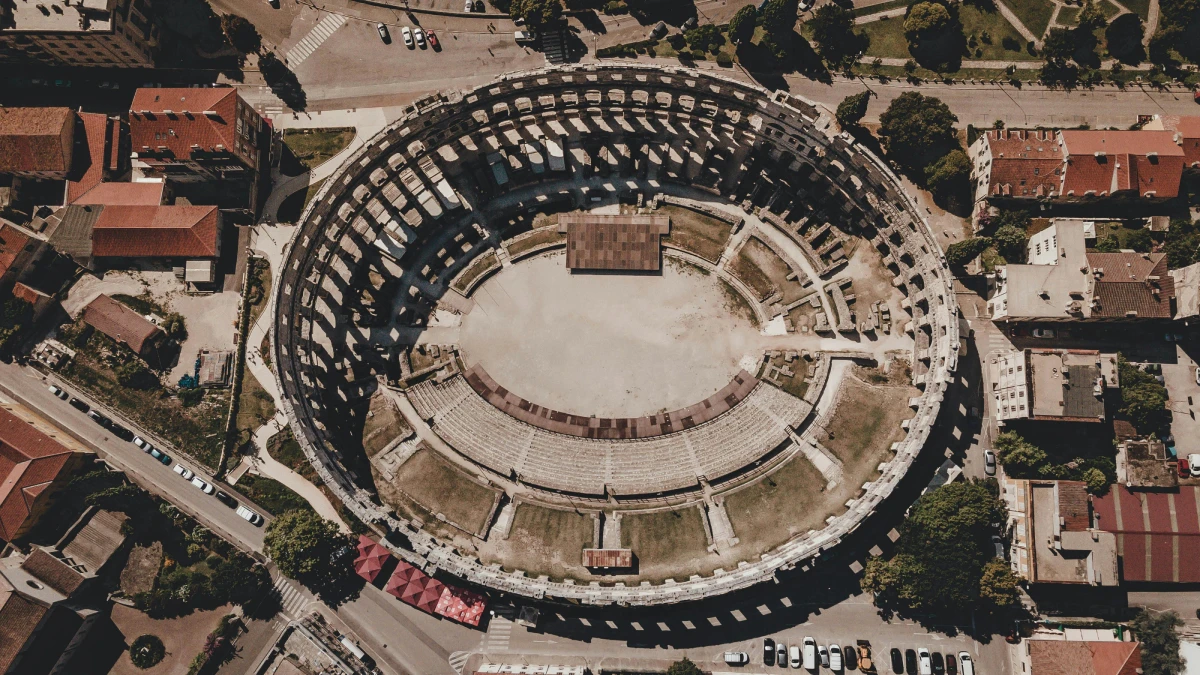
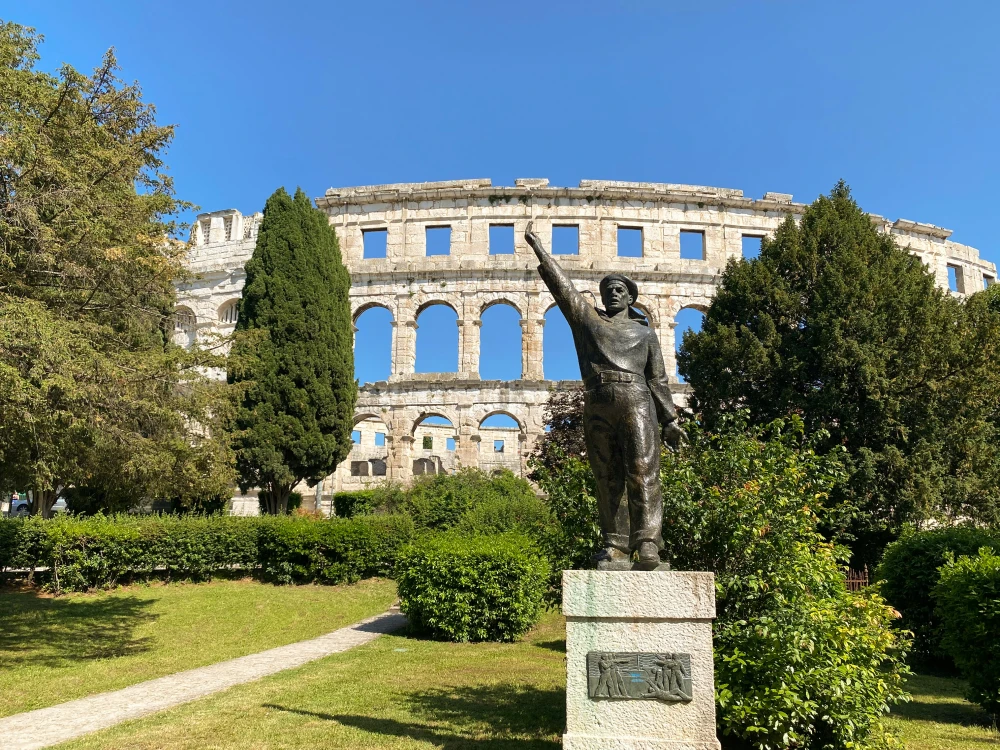
- Pula Venetian castle, rebuilt over Roman foundations
- Motovun city gate bearing the lion of St. Mark
The Italian Language Legacy
Venetian rule established Italian as the language of administration and culture. Today, Italian remains an official language in Istria, spoken by a significant minority.
In Istria, Venice is not history — it is the walls you walk through, the bells you hear, the language you read on the street signs.
Exploring Venetian Istria
- Look for the winged lion relief above city gates and on public buildings
- Visit Rovinj, Porec, Pula, Novigrad, and Umag for the richest Venetian heritage
- The Istria Heritage trail maps Venetian sites across the peninsula