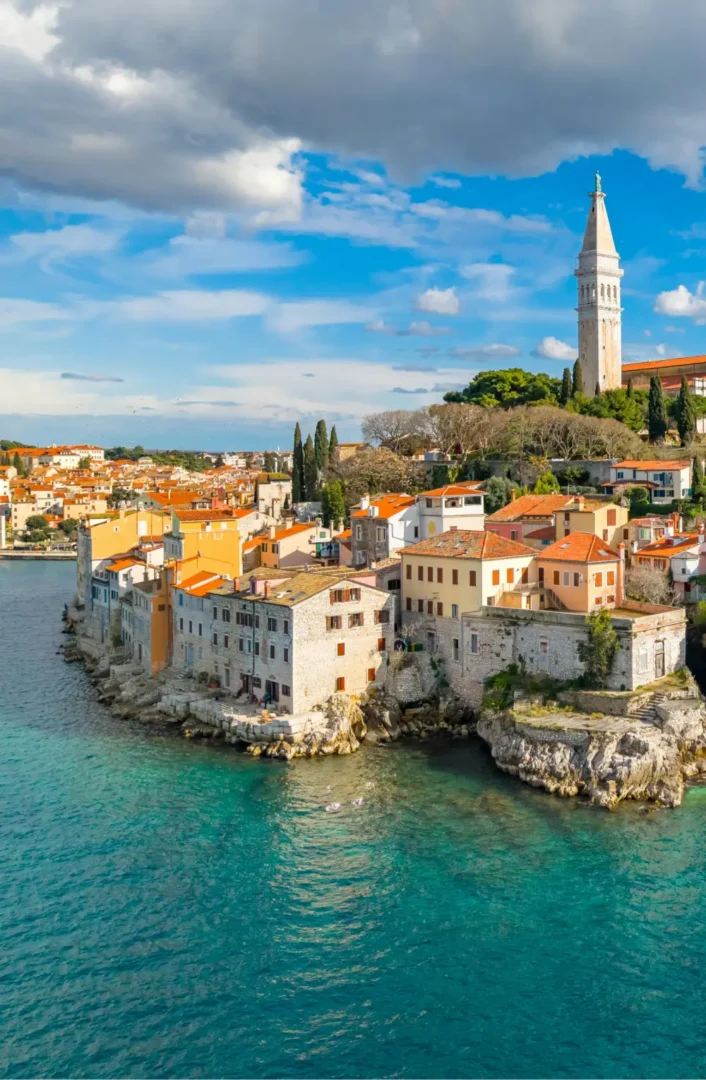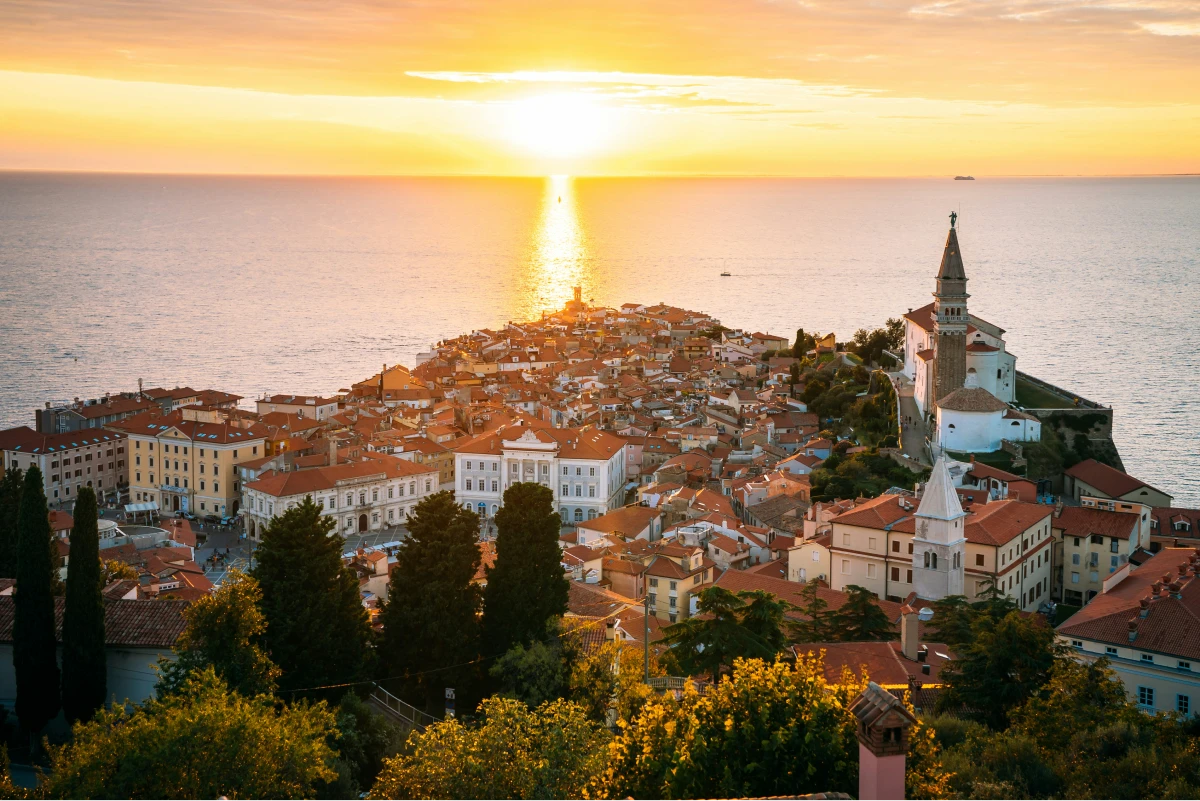





Istria artisan traditions span everything from delicate needlework to the skilled masonry of dry-stone walls. These crafts, many of them centuries old, are seeing a revival as younger generations rediscover their cultural heritage.
Rovinj Lacework
The intricate needlework tradition of Rovinj, known as trina, is practiced by a small community of women who have been creating elaborate lace pieces for generations. Each piece can take hundreds of hours to complete.
- Recognised by UNESCO as an Intangible Cultural Heritage
- Made using a single needle and thread — no bobbin or frame
- Patterns passed down through families and craft schools
- Sold in the Rovinj Heritage Museum shop
Dry-Stone Walling
The dry-stone walls that divide Istria agricultural land are an engineering tradition requiring great skill. Built without mortar from local limestone, they have shaped the Istrian landscape for two millennia.
A good dry-stone wall should stand for a hundred years without touching it. That is not just craft — that is knowledge of stone and weather that takes a lifetime to acquire.
Where to See Traditional Crafts
- Rovinj Heritage Museum for lacemaking demonstrations
- Ethnographic museums in Pazin and Buzet
- Summer craft markets across the Istrian interior