


Carnival is taken seriously in Istria. Weeks before Ash Wednesday, towns and villages across the peninsula organise masked processions, theatrical performances, and traditional feasts. The celebration is deeply embedded in local identity.
Baraban and the Masked Procession
The highlight of most Istrian Carnivals is the masked procession known as the baraban — a noisy parade of costumed figures through the town streets, accompanied by brass bands and the sound of cowbells and rattles.
- Elaborate handmade costumes, often family heirlooms
- Traditional masks representing local characters and legends
- Processions through historic old towns
- Culminating in the burning of the carnival effigy called Pust
The Burning of Pust
On the final night of Carnival, an effigy called Pust is tried and burned. This symbolic figure represents all the misfortunes of the past year, and his burning marks the end of indulgence and the beginning of Lent.
The best part of Carnival is not the costumes or the fire — it is seeing the whole community in the street together, laughing and singing. That is what Carnival is really for.
Best Places to Experience Istrian Carnival
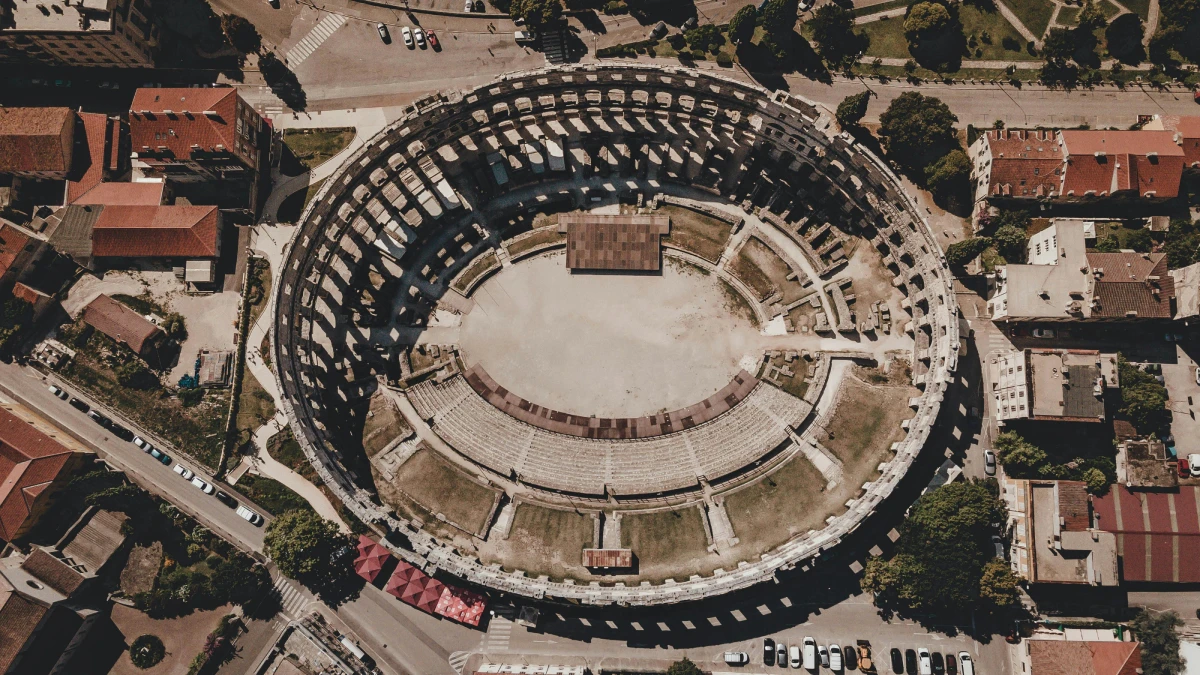
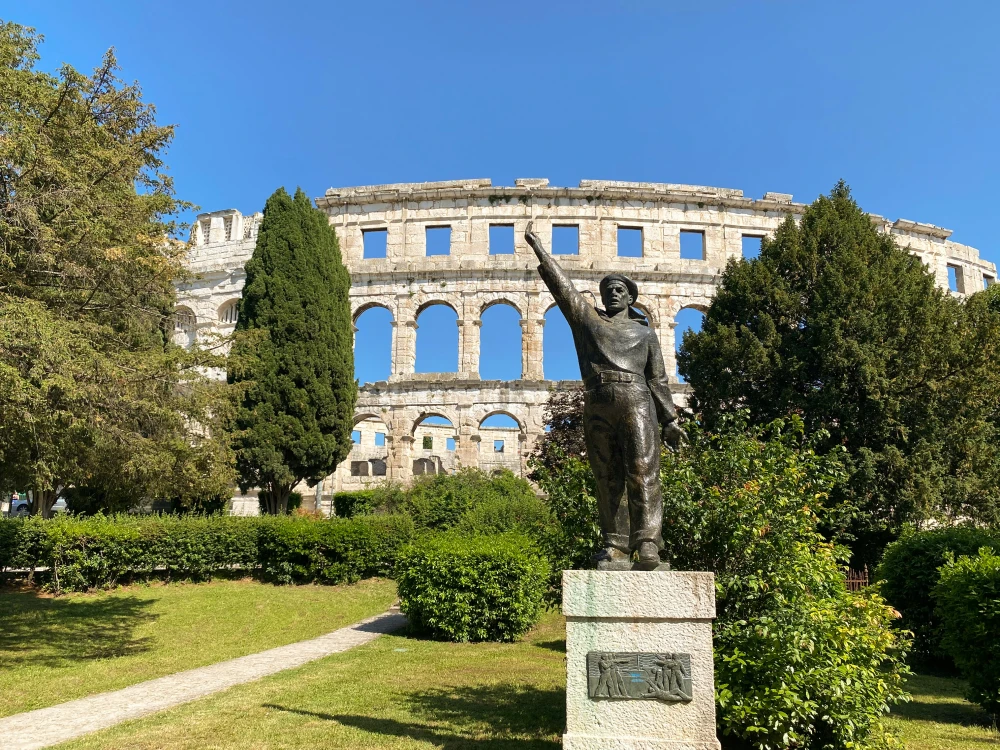
- Pula — one of the largest and most elaborate celebrations
- Buzet — famous for its dramatic hilltop procession
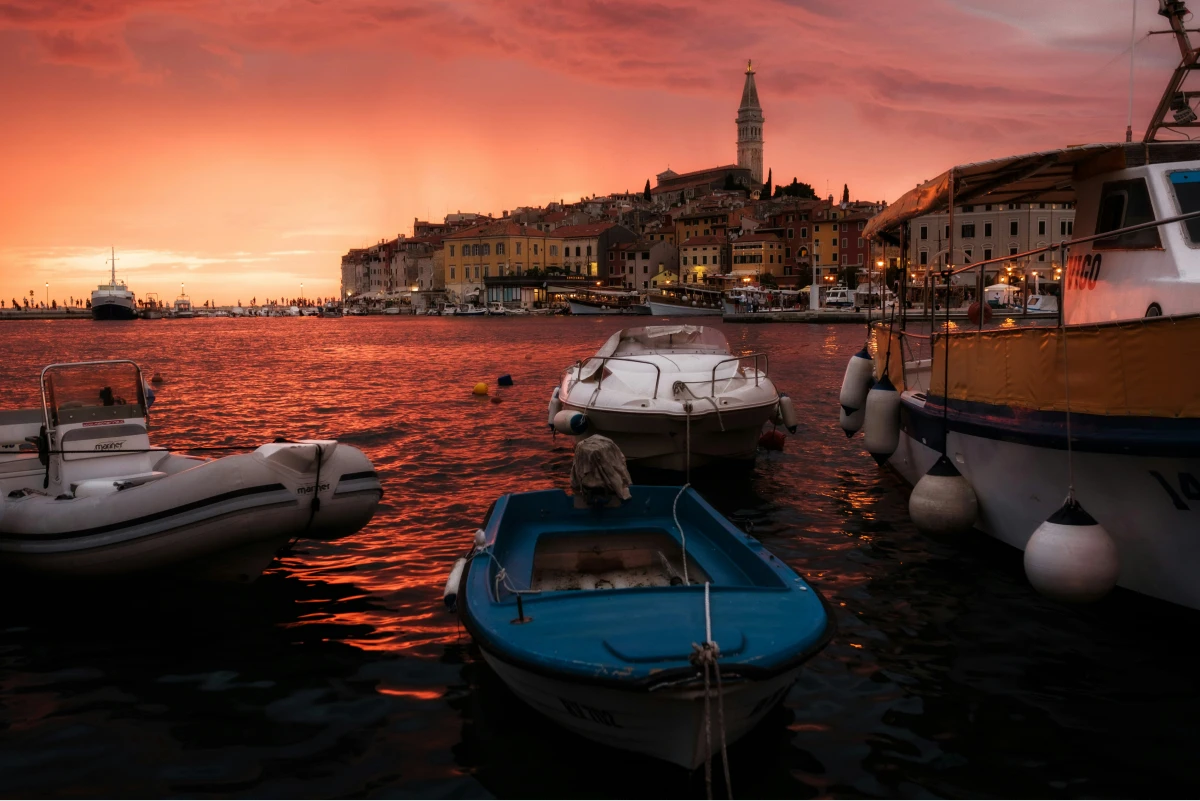
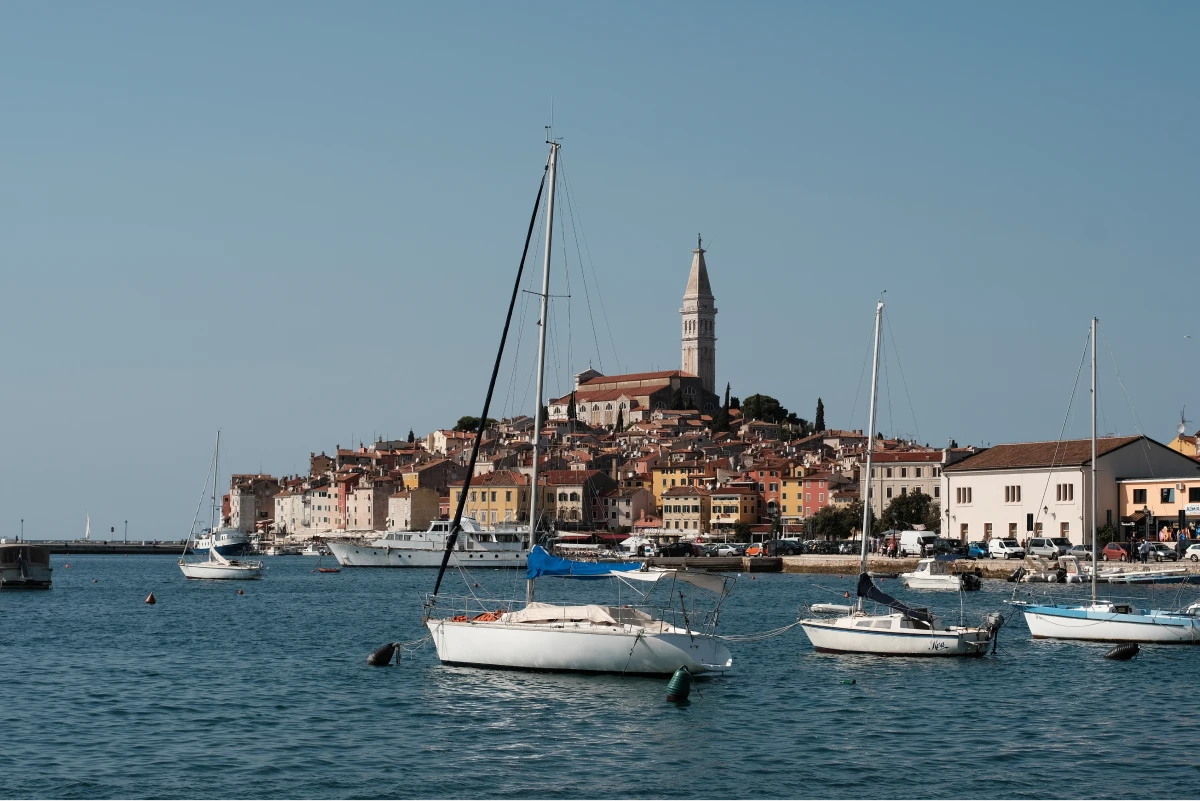
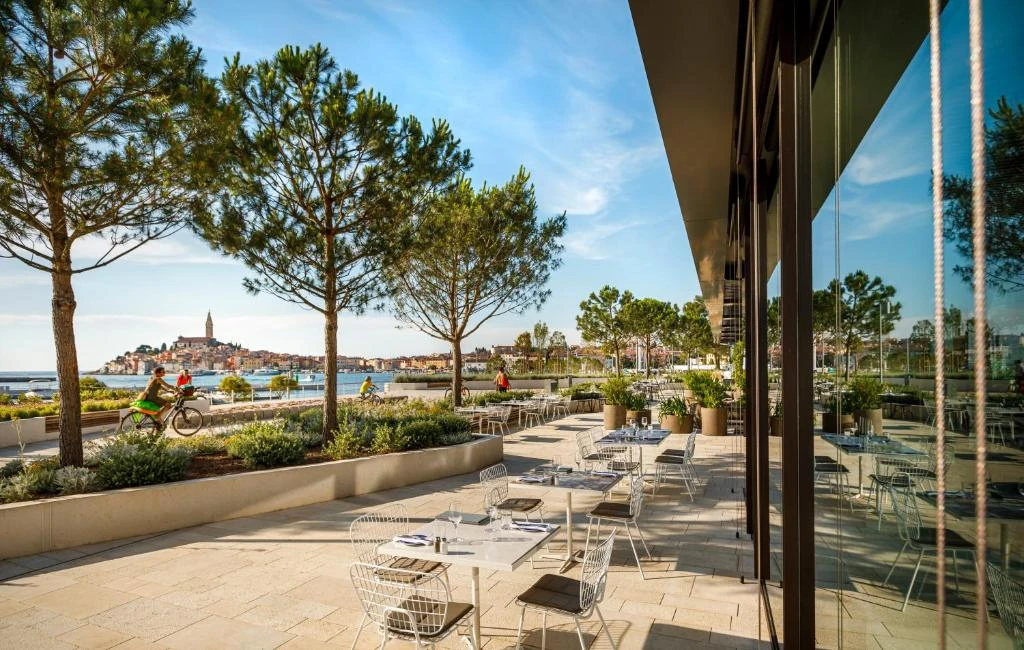
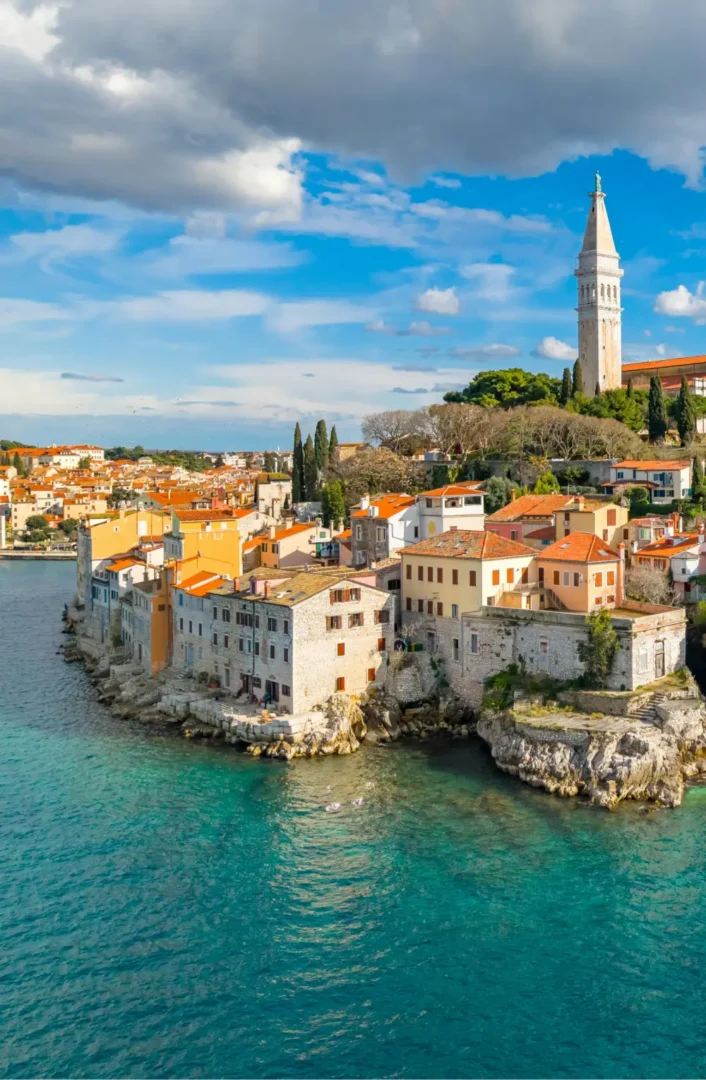
- Rovinj — a colourful and photogenic celebration in the old town